
Leading Products For Wood Roof Installations To Simplify Your Project
Choose from top-rated tools and materials that make installing a wood roof easier, faster, and more precise.
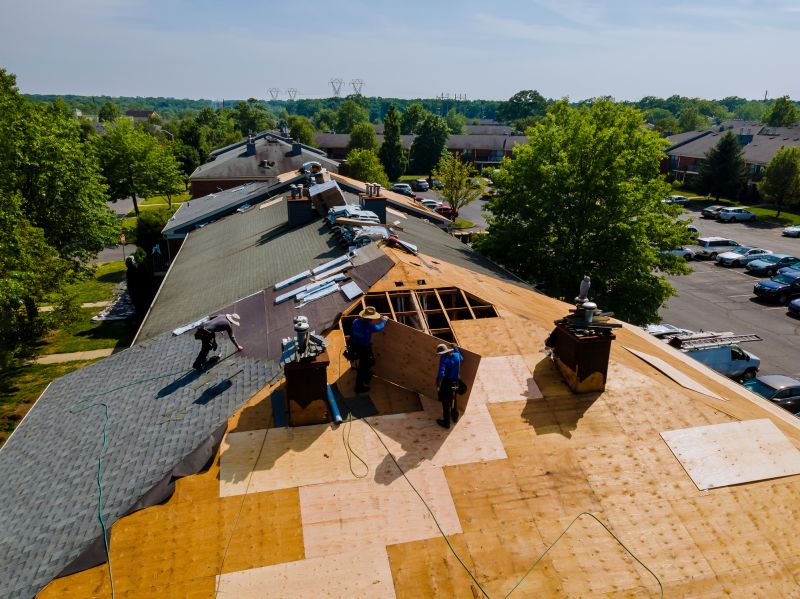 When undertaking wood roof installations, selecting the right products is essential to ensure durability, safety, and ease of construction. The process involves various components, each serving a specific purpose in creating a stable and long-lasting roof structure. From foundational support elements to finishing accessories, the right selection can influence the overall success of the project.
Top Overall Option
Comprehensive Wood Roof Installation Kit
A versatile and all-in-one solution that includes a variety of essential components such as framing lumber, fasteners, weatherproofing membranes, and accessories designed for wood roof projects. This kit offers convenience and consistency, making it suitable for both professional contractors and DIY enthusiasts seeking a streamlined approach to roof installation.
Types of Products For Wood Roof Installations
Lumber and Engineered Wood
Structural framing materials that form the foundation of the roof, available in various grades and sizes to suit different load requirements.
Nails and Screws
Fasteners specifically designed for wood, ensuring secure attachment of framing and other components.
Metal Connectors and Brackets
Metal hardware used to reinforce joints and connections for added stability and support.
Roof Underlayment
Protective membranes installed beneath the roofing material to prevent water infiltration and moisture damage.
Flashing
Metal or rubber strips that seal joints and edges, preventing water leaks at vulnerable points.
Ventilation Products
Gable vents, ridge vents, and soffit vents that promote airflow and prevent moisture buildup.
Sealants and Caulks
Adhesives used to seal gaps and joints, enhancing weatherproofing and insulation.
Ridge Caps
Covering components placed along the peak of the roof to provide a finished look and prevent water ingress.
Roofing Nails
Specialized nails designed for attaching shingles or other roofing materials to wooden structures.
Roofing Felt
A type of underlayment that provides an additional layer of protection beneath the outer roofing material.
Fastening Tools
Power tools such as nail guns and screwdrivers that facilitate quick and efficient installation.
Insulation Boards
Materials used to improve thermal performance and energy efficiency of the roof assembly.
Roofing Adhesives
Specialized glues used for bonding components or attaching certain roofing materials.
Gutter Systems
Drainage components that direct water away from the roof and foundation, protecting the structure.
Ladder and Safety Equipment
Essential safety gear and access equipment for safe installation and maintenance.
Popular Choices
Commonly used for creating the structural framework of a wood roof, available in various sizes and grades.
Widely used fasteners for attaching sheathing and roofing materials to wood structures.
Popular protective layers installed beneath shingles or metal roofing for added water resistance.
Frequently chosen for sealing roof edges and joints to prevent leaks.
Trending ventilation solutions that promote airflow along the roof's peak.
Commonly used for sealing gaps and joints to improve weather resistance.
Popular ventilation options installed on gable ends for effective airflow.
A standard underlayment option that provides an extra layer of protection against moisture.
Cordless nail guns and screwdrivers that are frequently used for efficient installation.
Popular for their strength and consistency in supporting roof loads.
Widely used for sealing around flashing and vents to prevent leaks.
A range of items including ridge caps, vents, and flashing that are frequently selected for completing roof assemblies.
A key aspect of wood roof installation is the choice of framing materials, which provide the backbone of the roof. Properly rated lumber and engineered wood products are commonly used to ensure strength and stability. Fasteners such as nails, screws, and metal connectors are vital for securing the framework and preventing issues like warping or shifting over time.
In addition to structural components, weatherproofing products like roofing underlayment and sealants are crucial for protecting the wood from moisture and environmental damage. These materials help extend the lifespan of the roof and maintain its integrity through various weather conditions. Accessories such as flashing, ridge caps, and ventilation products also play significant roles in ensuring the roof functions effectively and remains durable.
Choosing the right products for a wood roof installation requires careful consideration of factors such as load capacity, compatibility with existing materials, and ease of installation. Proper planning and selection can facilitate smoother construction processes and contribute to a safer, more reliable roof system. Whether for new builds or repairs, understanding the range of available products helps in making informed decisions tailored to specific project needs.
Key Buying Considerations
- Compatibility with existing roofing and framing materials
- Load capacity and structural support requirements
- Weather resistance and durability of materials
- Ease of installation and availability of tools
- Project scope and size to determine quantity needed
- Compatibility of fasteners with wood and other materials
- Quality and grade of lumber or engineered wood
- Type of weatherproofing and sealing products suitable for your climate
- Ventilation options to ensure proper airflow and moisture control
- Local building codes and regulations compliance
- Cost and budget constraints without compromising quality
- Availability of replacement parts or additional materials
- Safety features and accessories for secure installation
- Environmental conditions such as exposure to wind, rain, or snow
- Long-term maintenance requirements and accessibility